The Benefits of Choosing Flat Roofing for Your Property
Flat roofing serves as a viable option for numerous property owners. Its design allows for resourceful use of materials and space. Lower costs and maintenance obligations upfront make it progressively attractive. In addition, flat roofs can enhance energy efficiency and sustainability. Yet, misconceptions often obscure their benefits. Grasping these aspects can help residents make informed determinations about their roofing choices. What positive outcomes might flat roofing offer to your residence?
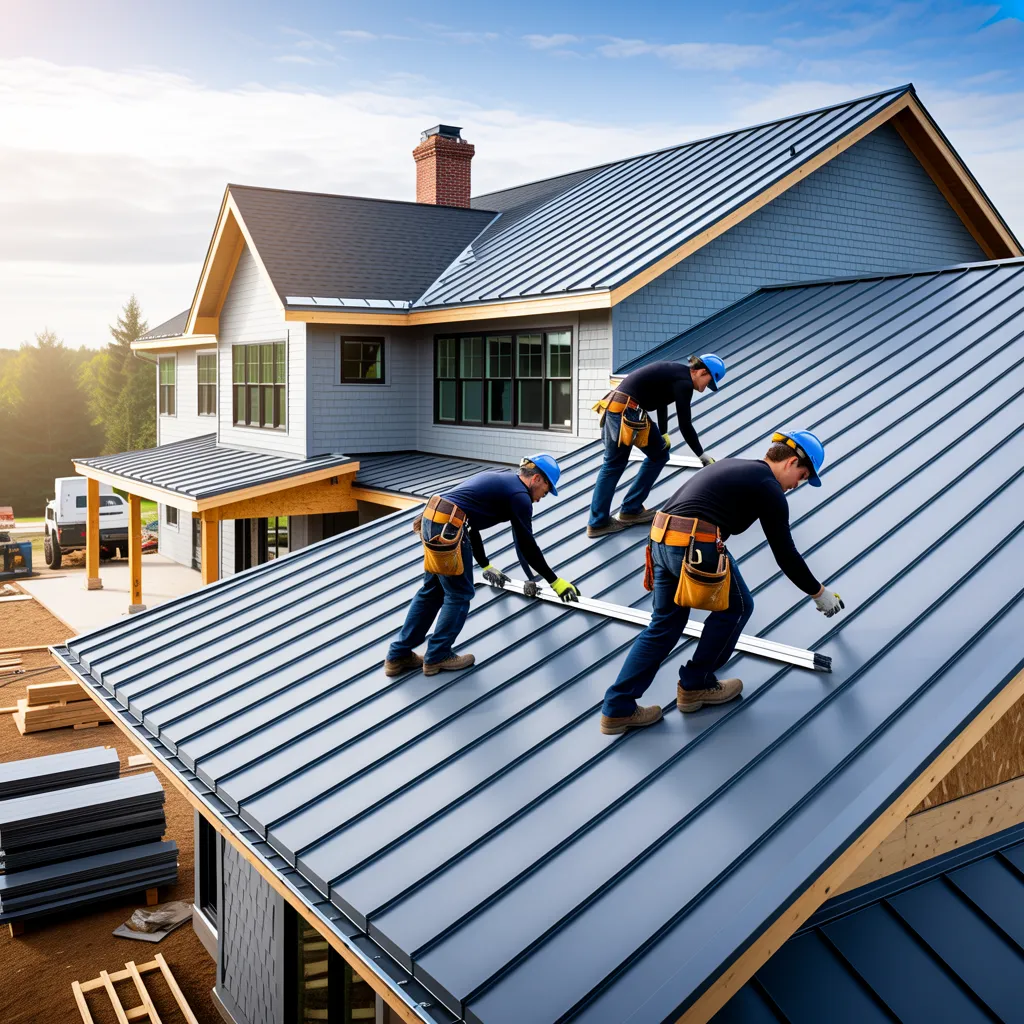
Why Investigate Flat Roofing for Your Property?
When evaluating roofing options, property owners may discover that flat roofing offers evident advantages. One key benefit is cost-effectiveness. Flat roofs commonly require fewer materials than sloped designs, pointing to lower installation expenses. Additionally, maintenance proves to be more straightforward, granting for easier access during inspections and repairs.
Yet another perk lies in durability. Many roofing options for flat surfaces, such as TPO or EPDM, are constructed to stand up to harsh weather conditions, supplying extended protection. This resilience can minimize the frequency of replacements or repairs, additionally enhancing cost savings over time.
Additionally, level roofs can enable the fitting of eco-friendly technologies, such as solar panels or green roofs, which may support long-term energy savings. Broadly speaking, level roof design offers property owners a workable answer that integrates functionality, durability, and potential economic benefits, making it a solid consideration for many building types.
Maximizing Space With Flat Roofs
Flat roofs deliver exceptional opportunities for maximizing usable space in both residential and commercial properties. Unlike conventional angled roofs, flat roofs offer a adaptable space that can be employed for various purposes. Rooftop gardens, terraces, and exterior relaxation zones can enhance the attractiveness and performance of a building, creating additional recreational spaces.
Throughout commercial settings, flat roofs are able to accommodate HVAC systems, solar panels, or even green roofs, advancing energy efficiency and sustainability. Additionally, the flat surface makes possible easier access and maintenance compared to sloped roofing systems.
This design also facilitates the creation of vertical expansions, such as additional stories or rooftop offices, without impairing the original footprint of the property. By taking advantage of the flat roof's capabilities, property owners can significantly enhance both their available space and market worth, making it a strategic choice for maximizing utility and enjoyment.
Affordable Flat Roofing Solutions
Although multiple roofing options exist, cost-effective flat roofing solutions stand out for their financial advantage and functionality. Various materials can be employed, including modified bitumen, PVC, and EPDM rubber, each offering special benefits at fair prices. Modified bitumen, for instance, is recognized for its durability and ease of installation, making it an appealing choice for price-sensitive property owners.
PVC roofs, while somewhat more costly, furnish outstanding energy efficiency and extended lifespan, thereby reducing long-term costs. EPDM rubber is another popular option, valued for its resilience and reduced maintenance needs.
These solutions not only minimize upfront costs but also help in conserving power, causing further savings on utility bills. By choosing the suitable flat roofing option, property owners can attain a balance between cost and efficiency, ensuring a economically sound investment that fulfills their requirements successfully.
Sustain Your Flat Roof Easily
Keeping a flat roof in good details condition can be simple, especially when employing budget-friendly materials like modified bitumen, PVC, or EPDM rubber. These materials are engineered for strength and require minimal care, making them suitable for property owners pursuing lasting solutions. Regular evaluations are necessary, enabling for the quick spotting of potential issues such as pooling water or debris accumulation.
Cleaning the surface regularly guarantees that drains and gutters remain clear, preventing water damage and extending the roof's lifespan. Additionally, adding a sealant can enhance protection to UV rays and increase the roof's longevity.
As opposed to inclined roofs, flat-topped roofs offer easier access for maintenance work, limiting the danger of accidents during inspections or repairs. To conclude, the convenience of maintaining a flat roof, partnered with the quality materials, can bring about notable savings and peace of mind for property owners.
Power Efficiency and Eco-Friendliness
Enhancing energy efficiency and sustainability is a significant benefit of flat roofing systems. These structures often feature components that bounce back sunlight, decreasing heat absorption and reducing cooling costs during warmer months. This characteristic results in less reliance on air conditioning, which can substantially decrease energy usage and related expenses.
Furthermore, flat roofs can be equipped with thermal insulation that enhance thermal performance, contributing to a pleasant indoor environment. The capacity to integrate green roofing technologies additionally boosts environmental responsibility. By reducing thermal hotspots in cities, level roofs support better air conditions and reduced energy use.
Moreover, flat roofing is commonly easier to maintain and repair, which can result in longer lifespans and reduced debris. Overall, the sustainable and environmentally responsible aspects of flat roofing systems make them an attractive choice for environmentally aware property owners striving to lower their carbon footprint while enjoying financial advantages.
Flexible Purposes: Rooftop Gardens and Solar Panels
Flat roofs offer distinct possibilities for innovative uses, including rooftop gardens and solar panels. Rooftop gardens not only enhance aesthetics but also furnish insulation and promote biodiversity. Meanwhile, the installation of solar panels on flat roofs maximizes energy efficiency, capturing sunlight effectively to minimize utility costs.
Rooftop Garden Perks
Rooftop gardens present major advantages, smoothly merging nature into urban surroundings. These vegetation areas enhance aesthetic quality, making over drab rooftops into vibrant getaways. They also furnish important environmental benefits, including enhancing air quality and combating urban heat through natural thermal regulation. Likewise, rooftop gardens can serve as multi-use spaces, providing areas for relaxation, community gatherings, or even urban farming. They enhance biodiversity by constructing habitats for multiple species, maintaining ecological balance across city landscapes. Additionally, these gardens can help address stormwater runoff, mitigating flood risks. Overall, the incorporation of rooftop gardens stands as a sustainable approach that amplifies both property value and the quality of life for urban dwellers.
Solar Panel Output
A growing number of residents and businesses are coming to understand the benefits of solar panels as a powerful means for renewable energy generation. Flat roofs serve as an ideal platform for solar panel mounting thanks to their unobstructed exposure to sunlight. The positioning ensures peak output, maximizing energy absorption throughout the day. Moreover, the even surface of flat roofs makes easier maintenance and installation compared to sloped roofs. Integrating solar panels can significantly lower energy expenses, enhancing property sustainability. Besides that, integrating solar panels with rooftop gardens boosts insulation and mitigates urban heat, demonstrating the adaptability of flat roofing. Overall, the partnership of solar energy and flat roofs aids environmental sustainability and delivers economic benefits.
What Are Common Misconceptions About Flat Roof Systems?
What false beliefs encompass flat roofing? Many property owners believe that flat roofs are prone to leaks and require more maintenance than sloped roofs. However, modern materials and technology have considerably enhanced their strength and water resistance. Another common myth is that flat roofs miss aesthetic appeal. In reality, they offer flexibility in design and can accommodate rooftop gardens or solar panels, enhancing both functionality and appearance. Some also contend that flat roofs cannot handle heavy snow or rain. In truth, proper drainage systems can efficiently manage these conditions. Finally, there is a notion that flat roofing is less energy-efficient. When installed correctly with adequate insulation, flat roofs can provide excellent energy savings. By debunking these myths, property owners can make informed decisions about the advantages and practicality of flat roofing solutions.
Frequently Commonly Questions
How extended does a flat roof typically last?
A flat roof generally lasts between 15 to 30 years, based on materials used, installation quality, and maintenance. Regular checks and timely fixes can prolong its lifespan considerably beyond the average duration.
Which Elements Are Ideal for Flat Roof Systems?
The finest materials for flat roofing feature PVC, TPO, EPDM rubber, and modified bitumen. Each offers distinct advantages, such as longevity, energy efficiency, and resistance to weather, which makes them sought-after picks for different applications.
Can I install a level roofing myself?
Constructing a flat roof solo is attainable for those with satisfactory talents and familiarity. However, it calls for cautious planning, suitable equipment, and observance to local building codes to confirm robustness and well-being throughout the installation process.
In what fashion do flat roofs manage intense rainfall?
Flat roofs handle heavy rain through effective drainage systems, including internal gutters and scuppers. Proper installation and maintenance are important to prevent pooling and potential water damage, ensuring longevity and functionality in adverse weather conditions.
What Are the Top Water Management Options for Flat Roofs?
Effective water management systems for flat roofs consist of internal drains, scuppers, and tapered insulation. These methods promote water flow towards designated drainage points, preventing ponding and potential structural damage from accumulated water during heavy rainfall.